
What Is an LVAD — and Who Needs One?
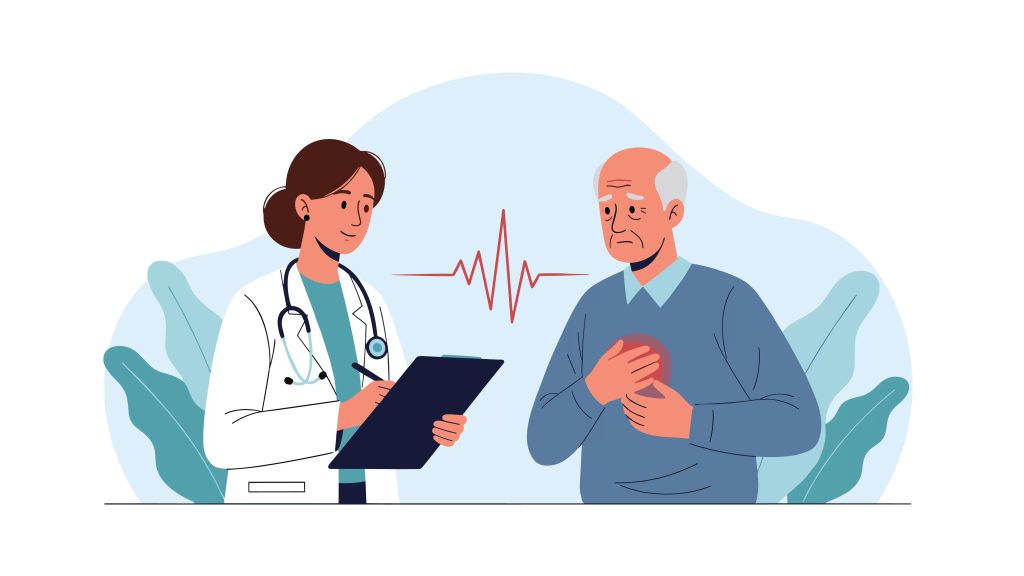
When your heart is working well, you probably don’t think much about it as it quietly pumps blood through your body. But if you have heart failure and your heart becomes weak, even simple tasks like walking across a room or climbing stairs can feel exhausting. For some people with advanced heart failure, medications and lifestyle changes aren’t enough to improve heart function, but a device called an LVAD can make a life-changing difference.
What Is an LVAD?
An LVAD, short for left ventricular assist device, is a small mechanical pump that helps the heart move blood through the body. It’s placed inside the chest during surgery and is connected to the heart’s main pumping chamber, called the left ventricle. The device pulls blood from the ventricle and helps push it out to the rest of the body.
Unlike a heart transplant, an LVAD doesn’t replace the heart, but it supports it. The device is powered by a battery pack that stays outside the body and connects through a small cord. While this may sound complicated, many people learn to manage the device and return to many of their normal daily activities.
Who Might Need an LVAD?
These devices are usually recommended for people with severe heart failure. This happens when the heart can no longer pump enough blood to meet the body’s needs.
Doctors may suggest an LVAD in a few different situations:
- An LVAD may be used as a temporary solution to help keep someone stable while they wait for a heart transplant. Since donor hearts can take time to become available, this device can help patients stay healthier during the wait.
- An LVAD may be used as a long-term treatment for people who aren’t candidates for a heart transplant due to age or other health conditions. The device may help people live longer and feel better than they would without it.
- An LVAD may be used temporarily to give the heart a chance to heal and recover some of its function. This is not as common but may be considered if there’s a chance that heart damage is reversible. In some cases, the heart may strengthen enough that the device is no longer needed.
While LVADs can improve quality of life, they do come with risks. Like any surgery, there’s a chance of infection or bleeding. Because the device moves blood, there’s also a risk of blood clots or stroke. Patients usually need to take blood-thinning medications and see a doctor regularly.
Even with these risks, many people with an LVAD report having more energy and being able to do things they couldn’t before, like spending time with family or going for short walks. The goal isn’t just to extend life, but to improve how a person feels.
If you or a loved one has been diagnosed with advanced heart failure, it’s important to talk with a doctor about all treatment options. An LVAD isn’t right for everyone, but for some people, it can offer a second chance at a more active and fulfilling life.
Copyright 2024-2025 © Baldwin Publishing, Inc.. Health eCooks® Heart Healthy Recipes® is a registered trademark of Baldwin Publishing, Inc. Any duplication or distribution of the information contained herein without the express approval of Baldwin Publishing, Inc. is strictly prohibited.