
Healthy Fall Foods Worth Adding to Your Diet
As summer fades into fall, grocery stores and farmers markets alike fill with colorful seasonal produce. That makes this one of the best times of year to enjoy fresh fruits and vegetables that are not only delicious but also packed with nutrients your body needs.
Eating in-season foods is an easy way to add variety to your meals while getting more fiber, vitamins and antioxidants. Many fall favorites help support heart health, strengthen your immune system, improve digestion and may even keep your blood sugar steadier.
Here are some healthy fall foods worth adding to your plate this season:
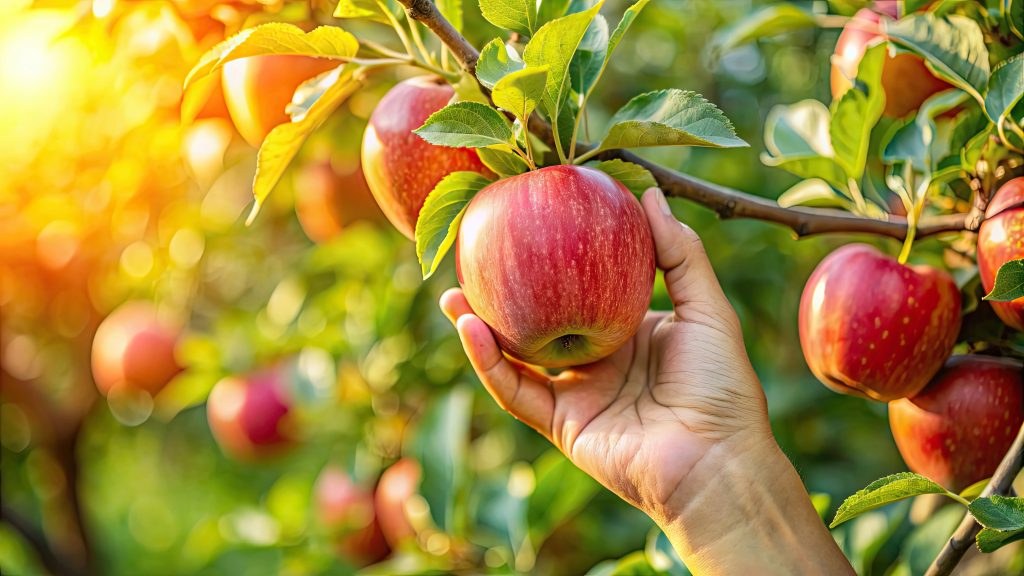
- Apples: Nothing says fall quite like a crisp apple. They’re rich in fiber, especially if you leave the skin on, which supports healthy digestion and may help you feel full longer. The fiber also slows the absorption of natural sugars, making apples a smart choice for steady energy and healthy blood sugar. Enjoy one with a handful of nuts or spread a little peanut butter on apple slices for a satisfying snack.
- Pumpkin: Pumpkin is much more than a pie ingredient. Fresh pumpkin and plain canned pumpkin puree are loaded with vitamin A, fiber and potassium. These nutrients support healthy vision, your immune system and heart health. Try stirring pumpkin puree into oatmeal, yogurt or soup instead of reaching for pumpkin-flavored desserts that often contain added sugar.
- Winter Squash: Butternut, acorn and delicata squash are fall staples that add color and nutrition to your table. They provide fiber along with vitamins A and C, which help support healthy skin and immune function. Roasted squash makes a delicious side dish and pairs well with lean proteins and whole grains for a balanced meal.
- Pears: Sweet, juicy pears are another seasonal fruit that’s full of fiber, promoting healthy digestion and more gradual changes in blood sugar. Slice a pear into a salad or enjoy one with a few walnuts for an easy snack.
- Brussels Sprouts: These tiny vegetables become sweeter after cooler temperatures arrive. Brussels sprouts are packed with fiber, vitamin C, vitamin K and antioxidants that help protect your body’s cells. Roast them with a little olive oil and your favorite herbs for a tasty side dish.
- Leafy Greens: Cool weather is perfect for leafy greens like kale, spinach and Swiss chard. They’re low in calories but rich in vitamins A, C and K, along with folate and other important nutrients. Toss them into soups, salads, pasta dishes or omelets to easily add more vegetables to your meals.
- Nuts: Almonds, walnuts and pecans are popular ingredients in many fall recipes. They provide heart-healthy fats, protein and fiber to keep you satisfied between meals. They may also support healthy cholesterol levels and slow digestion when paired with carbohydrate-rich foods. A small handful makes a nutritious snack or crunchy topping for oatmeal or salads.
Adding seasonal foods to your meals is one of the simplest ways to eat healthier. Fall fruits and vegetables are naturally rich in nutrients that support your health while adding plenty of flavor to your favorite recipes, so try adding more of them to your plate while they’re at their peak of freshness.
Copyright 2024-2025 © Baldwin Publishing, Inc.. Health eCooks® Heart Healthy Recipes® is a registered trademark of Baldwin Publishing, Inc. Any duplication or distribution of the information contained herein without the express approval of Baldwin Publishing, Inc. is strictly prohibited.