
Everyday Tips for Living Better with COPD
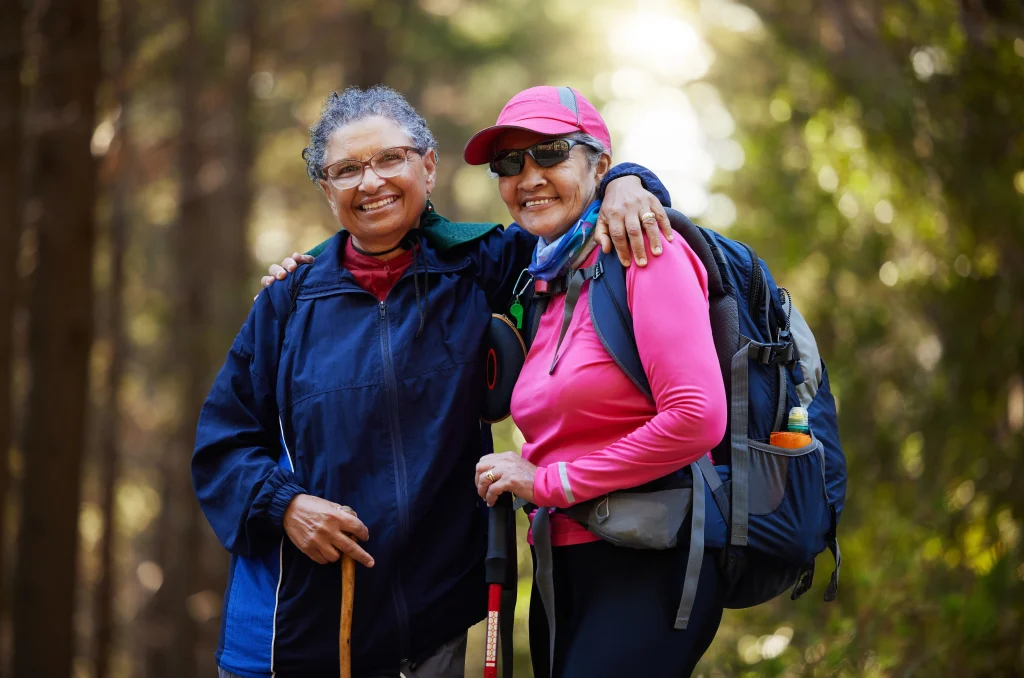
When you have chronic obstructive pulmonary disease (COPD), everyday activities can sometimes take more effort than they used to. Walking to the mailbox, carrying groceries or even getting dressed may leave you short of breath, but having COPD doesn’t mean you can’t still do many of the things you used to do.
COPD is a long-term lung disease that makes it harder to breathe. Although there’s no cure, treatment and healthy lifestyle habits can help control symptoms, prevent flare-ups and make daily life easier.
Here are some practical ways to live better with COPD:
- Take your medications as directed. COPD medications help control symptoms such as coughing, wheezing and shortness of breath. Take your medications exactly as prescribed, even when you’re feeling well. If you use an inhaler, ask your doctor, nurse or pharmacist to check your technique. Using an inhaler incorrectly may keep you from getting the full dose of medicine.
- Keep moving. You may be tempted to avoid activity if it makes you short of breath, but staying active is good for you. Regular physical activity strengthens your muscles, improves your energy and makes everyday tasks easier. Walking, light strength exercises and stretching may be good options (talk to your doctor before starting or changing an exercise routine). You may also benefit from pulmonary rehabilitation, a program that combines supervised exercise, education and support for people with lung disease.
- Make daily tasks easier. Save your energy for the things that matter most. Sit down while preparing meals or getting dressed. Keep frequently used items within easy reach so you don’t have to bend, stretch or climb stairs as often. Break larger chores into smaller steps and take breaks before you become exhausted.
- Pay attention to the air you breathe. Smoke, fumes, dust and air pollution can make COPD symptoms worse. If you smoke, quitting is one of the best things you can do for your lungs. Avoid secondhand smoke and other lung irritants whenever possible. Check the air quality before spending a lot of time outdoors. On days when pollution or wildfire smoke is high, stay inside with the windows closed if possible.
- Eat in a way that works for you. Shortness of breath and fatigue can sometimes make eating difficult. Smaller meals eaten more often may feel more comfortable than three large meals. Choose nutritious foods such as fruits, vegetables, whole grains, fish and other protein-rich foods. If eating is difficult or you’re losing weight without trying, talk to your doctor or a registered dietitian.
- Help prevent flare-ups. Colds, flu and other respiratory infections can make COPD symptoms worse. Wash your hands often, avoid close contact with people who are sick and ask your doctor which vaccines you should receive.
- Learn what’s normal for you. Contact your healthcare provider if you notice new or worsening symptoms, such as increased coughing, more shortness of breath or signs of infection.
Managing COPD is an everyday effort, but the right habits can help you stay healthier so you can keep doing more of what you enjoy.
Copyright 2024-2025 © Baldwin Publishing, Inc.. Health eCooks® Heart Healthy Recipes® is a registered trademark of Baldwin Publishing, Inc. Any duplication or distribution of the information contained herein without the express approval of Baldwin Publishing, Inc. is strictly prohibited.