
Why You’re Not Sleeping – And What to Do About It
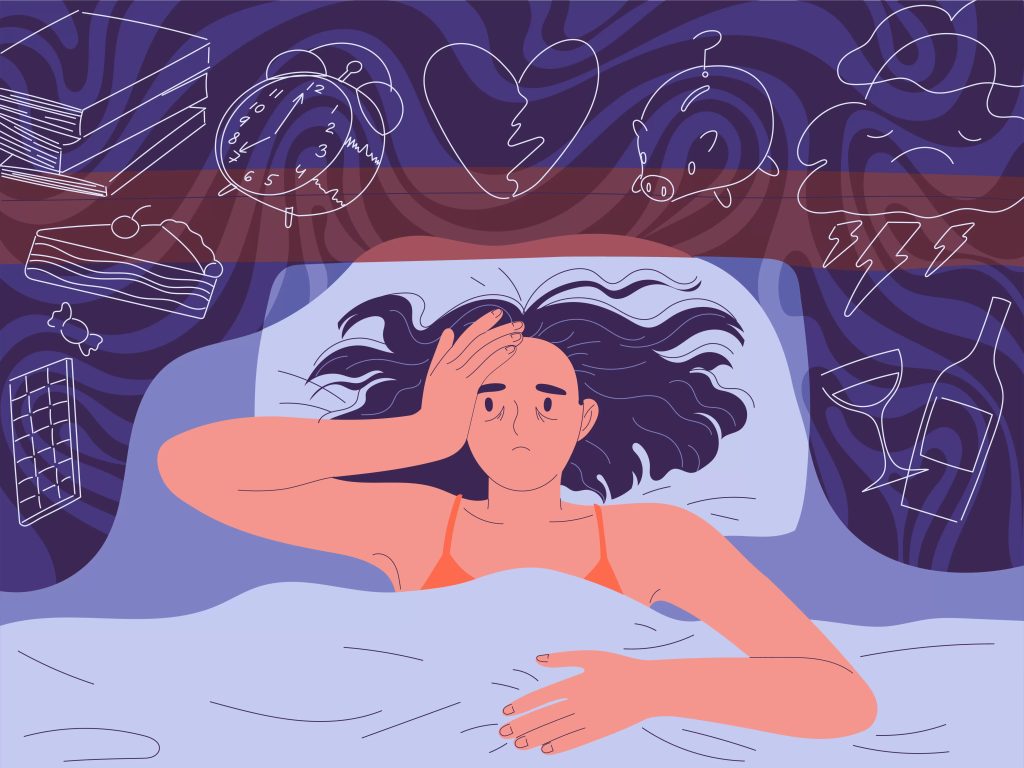
Tossing and turning at night? Poor sleep can sneak up on you, starting with a few restless nights and turning into a pattern that affects how you feel every day. While it may seem like no big deal at first, missing out on quality sleep can take a real toll on your body and mind. But the good news is that once you figure out what’s getting in the way of your rest, you can take steps to turn things around.
There are many reasons why sleep gets disrupted. Stress is one of the most common. When your brain is stuck in “go” mode, it’s hard to shut down at night. Worry about work, family or health can keep your mind racing long after you get into bed.
Your daily habits play a big role, too. Screen time right before bed makes it harder for your brain to wind down. The blue light from devices can throw off your body’s internal clock, making it harder to feel sleepy. Drinking caffeine late in the day or having alcohol in the evening can also cut into your sleep. Even your bedroom environment matters. If your room is too bright, too warm or noisy, your brain may not relax fully.
Physical issues can also interfere with sleep. Conditions like sleep apnea, acid reflux or chronic pain make it tough to stay asleep. Hormone changes during menopause can also trigger night sweats or hot flashes that make rest harder.
If you want to sleep better, here are some simple changes that can make a big difference:
- Stick to a sleep schedule. Going to bed and waking up at the same time every day helps your body know when it’s time to sleep. This keeps your internal clock steady, which can help you fall asleep faster and wake up feeling more refreshed.
- Create a calming bedtime routine. Doing the same relaxing activities each night helps your brain slow down. Try reading, light stretching or deep breathing. Keeping screens out of your bedtime routine gives your mind a chance to settle.
- Make your bedroom sleep-friendly. A cool, dark and quiet room signals your body that it’s time to rest. Blackout curtains, a fan or a white noise machine can help. If your mattress or pillows are uncomfortable, consider upgrading them.
- Watch what you eat and drink. Caffeine can stay in your system for hours, so try to avoid it late in the day. While alcohol may make you sleepy at first, it often leads to poor quality sleep. Eating heavy meals close to bedtime can also keep you awake.
- Move your body during the day. Regular exercise helps improve sleep, but timing matters. Being active earlier in the day helps you feel more tired at night. Intense exercise too close to bedtime can have the opposite effect.
- Talk to a doctor if needed. If you snore loudly, wake up gasping or feel tired no matter how long you sleep, you may have an underlying sleep disorder. A doctor can help you figure out what’s going on and suggest treatments that work.
Better sleep doesn’t always happen overnight, but small changes add up. With the right habits and a little patience, you can begin to get the restful nights your body needs.
Copyright 2024-2025 © Baldwin Publishing, Inc.. Health eCooks® Heart Healthy Recipes® is a registered trademark of Baldwin Publishing, Inc. Any duplication or distribution of the information contained herein without the express approval of Baldwin Publishing, Inc. is strictly prohibited.