
Why Stretching Is an Important Exercise
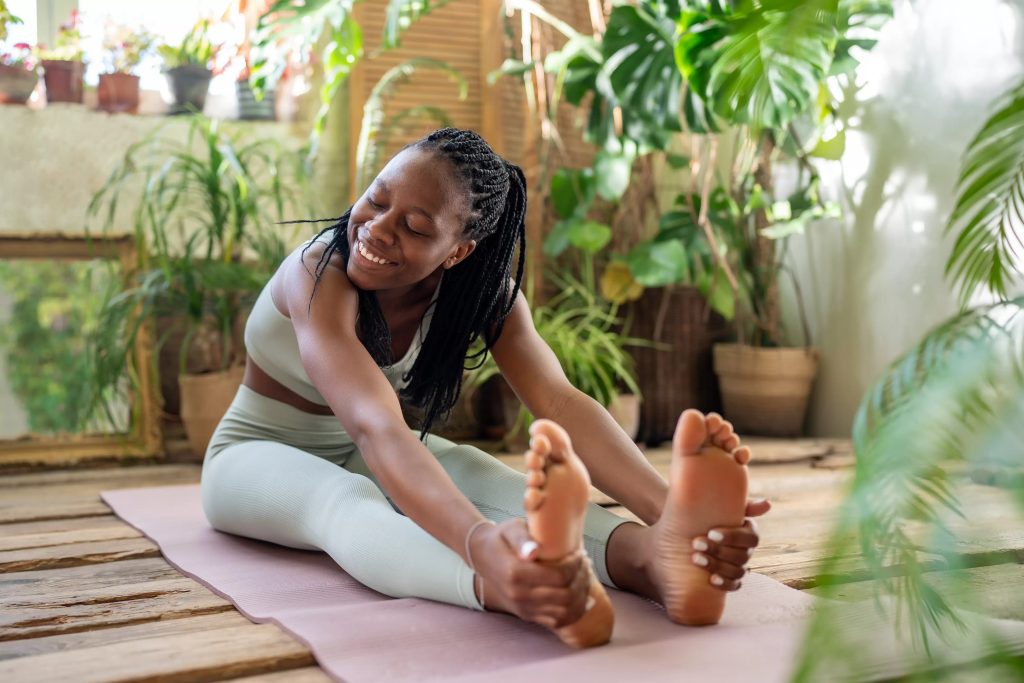
Have you ever wondered why stretching matters even when you’re already doing other kinds of exercise? Whether you run, lift weights or play pickleball, stretching is another secret ingredient that helps your body move better and feel good.
Stretching keeps your muscles flexible and healthy so your joints can move through their full range of motion. When muscles get tight, they don’t stretch out fully. That can make it harder to walk, reach or bend without discomfort or risk of injury. Stretching helps muscles move more easily, so you reduce the chance of hurting yourself.
Stretching also helps with balance and posture. If your muscles are loose and strong, it’s easier to stand tall and not trip or fall. As we get older, our joints and muscles tend to stiffen, and stretching helps keep you more flexible so everyday tasks stay simple and safe.
Another benefit of stretching is better circulation. When you stretch, it boosts blood flow to your muscles, making recovery faster and helping muscles work better. That can help reduce aches and even ease stress, because stretching often feels calming and helps you focus on how your body feels.
Stretching can even help with back pain and headaches. Tight muscles in your hips or back can pull on your spine the wrong way, leading to pain. Gentle stretching helps take tension away and may reduce discomfort. If you tend to get tension headaches, stretching your neck and shoulders might help relax tight muscles and ease the headache.
With all of the benefits stretching offers, here are answers to some common questions about the best way to stretch:
Should you stretch before or after you exercise?
Stretching cold muscles can cause injury. That’s why it’s best to warm up with light movement like walking or slow jogging before stretching. Dynamic stretches, which are moving stretches like leg swings or arm circles, are great before activity to wake up your muscles. Or you can stretch after you’ve cooled down from another workout but your muscles are still warm. At that time, static stretches—holding a stretch gently for about 30 to 60 seconds—are ideal.
How often should you stretch?
There’s no limit to how often you can stretch. You can do it every day if you want. Even doing short sessions two to three times a week can bring benefits. For best results, stretch major muscle groups, like your calves, hamstrings, hips, quads, shoulders, neck and lower back, at least two to three times a week.
Can stretching reduce injury risk?
Stretching isn’t magic, but it can help lower the chance of muscle strains or joint pain when done properly. It’s not always proven to ease muscle soreness right after exercise, but it helps overall flexibility and joint health over time.
Stretching may seem like it’s no big deal compared to things like running or lifting weights, but it keeps muscles flexible, supports joint movement, improves posture and balance, boosts blood flow, eases pain and helps prevent falls or injuries. Add a little stretching to your exercise routine, and your body will thank you.
Copyright 2024-2025 © Baldwin Publishing, Inc.. Health eCooks® Heart Healthy Recipes® is a registered trademark of Baldwin Publishing, Inc. Any duplication or distribution of the information contained herein without the express approval of Baldwin Publishing, Inc. is strictly prohibited.