The Hidden Risks of High Sodium Diets
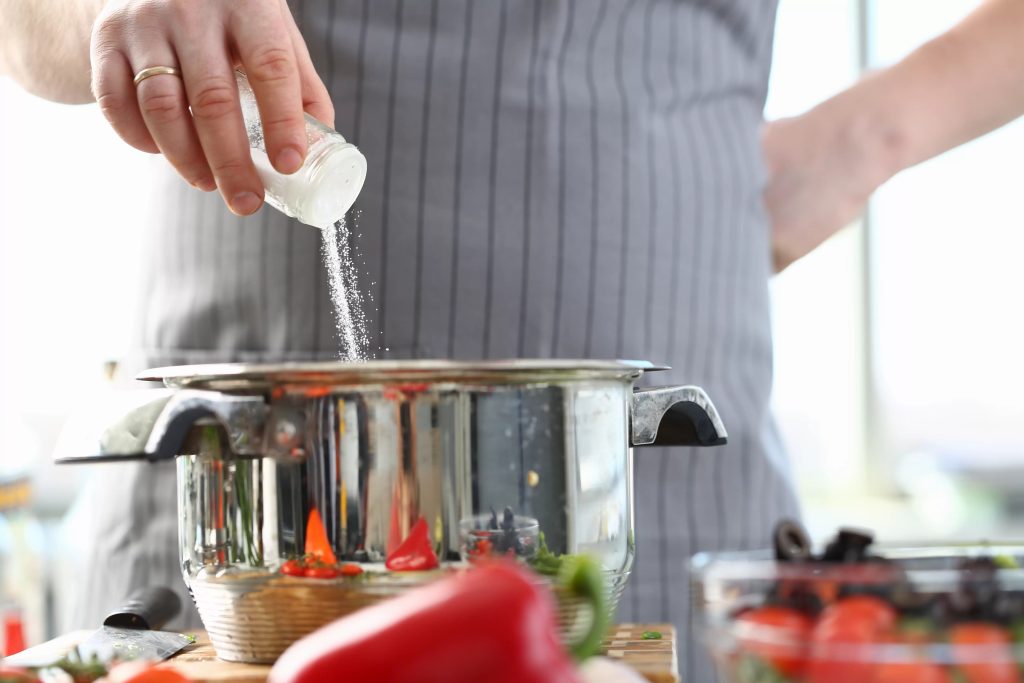
Salt is one of those ingredients that sneaks into meals without people giving it much thought. It adds flavor, serves as a preservative and shows up in many of the foods people eat every day. But while sodium is something the body needs in small amounts, consuming too much can affect health over time – and many people are surprised to learn just how easy it is to go over healthy limits.
Sodium plays an important role in the body. It helps control fluid balance, supports nerve signals and keeps muscles working properly. But according to health experts, most adults need far less sodium than they consume. And over time, a high sodium diet can put extra strain on the body, even if you don’t feel any ill effects.
Risks of Too Much Sodium
One of the biggest problems of consuming too much sodium is high blood pressure. Sodium causes the body to hold onto water, which increases the amount of blood flowing through blood vessels. That extra pressure can damage artery walls and make the heart work harder. High blood pressure is often called a “silent” condition because it usually has no obvious symptoms.
High sodium diets can also affect kidney health. The kidneys help filter waste and control fluid levels. Too much sodium can make it harder for the kidneys to do their job. Over time, this added stress may increase the risk of kidney disease or worsen existing kidney issues.
Excess sodium has also been linked to bone loss, since the body may lose more calcium through urine when sodium intake is high.
Surprising Places Sodium Is Found
Many people assume salty snacks are the main source of sodium in most diets, but some of the biggest sodium contributors are everyday foods that don’t even taste salty. Common high sodium foods include packaged and processed meals, canned soups, frozen dinners, deli meats, bacon, sausage and hot dogs. Bread, pizza and restaurant meals can also add a surprising amount of sodium. Sauces and condiments like soy sauce, salad dressing, ketchup and seasoning blends often contain more sodium than expected.
How to Reduce Sodium in Your Diet
The good news is that you don’t need to give up flavor to cut back on sodium. Small changes to your diet can make a big difference. One helpful step is reading nutrition labels and comparing sodium amounts. Choosing lower sodium or no-salt-added options when available can reduce intake. Rinsing canned beans and vegetables can wash away some of the sodium.
Cooking more meals at home is another smart move, since you can control how much salt goes into food. Using herbs, spices, garlic, citrus zest and vinegar is an easy way to add flavor without relying on salt and there are many delicious low sodium recipes you can follow. You can add a sprinkle or two of salt at the table to enhance flavor, but you’ll still be consuming much less sodium compared to eating processed or restaurant foods.
Supporting your heart, kidney and overall health can be as simple as becoming more aware of the salt that’s hidden in everyday foods and making changes to what you choose to eat. Over time, you’ll likely find that your taste buds adjust to foods that contain less sodium and you’ll enjoy foods just as much even when they’re not loaded with salt.
Copyright 2024-2025 © Baldwin Publishing, Inc.. Health eCooks® Heart Healthy Recipes® is a registered trademark of Baldwin Publishing, Inc. Any duplication or distribution of the information contained herein without the express approval of Baldwin Publishing, Inc. is strictly prohibited.